Shame, Safety, and the Need to Be Seen
BELONGINGSTORYTELLINGEDUCATION
2/3/20262 min read
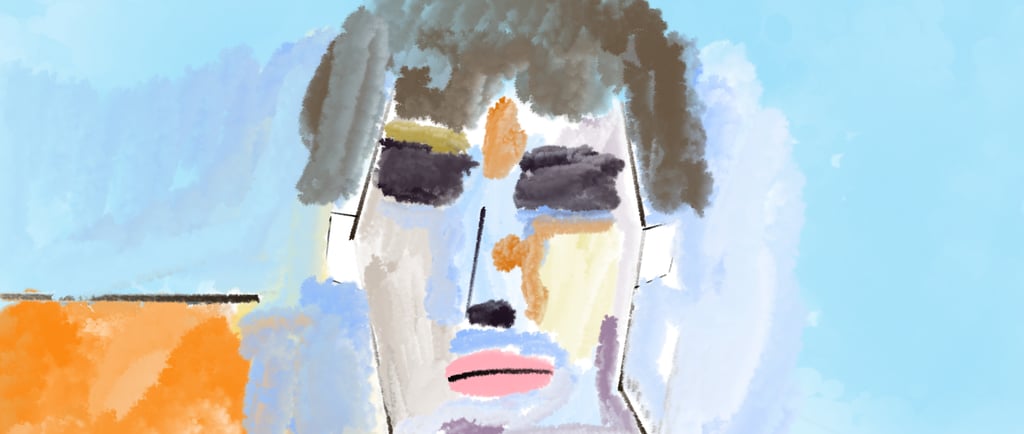
Recently, together with my dear colleague, I facilitated a workshop for our students about safe space , what it means, how it feels, and what it truly requires.
One thing became very clear. Across cultures, backgrounds, and lived experiences, we tend to agree on this: A core aspect of safety is feeling heard and seen.
Feeling seen by another human being. Feeling met within a community. Feeling that we are not judged for who we are, for our pasts, for our experiences. Feeling that the heavy curtain of shame is not constantly hanging over us.
How Shame Enters the Space Where Safety Should Be
When we are not heard, not seen, not met, shame can slip in.
Shame is a complex emotion. It is intimate, often unconscious, and surprisingly powerful.
It can cause us to completely withdraw from our lives, from our bodies, from our truth.
What makes shame especially difficult is that it doesn’t always make sense. We can feel shame for things we would logically reject if someone else experienced them: shame for a family member’s actions, shame for a partner who betrayed us, shame for someone close to us acting against our value, shame placed on us by others which we then turn inwar, shame for life choice, shame around gender, identity, or expressio, shame for decisions that didn’t meet expectations — ours or someone else’s....
The list goes on. And on.
Shame and the Loss of Being Seen
During our work with students, something essential surfaced: The moment we step out of feeling heard and seen, shame often fills the void.
And once shame is present, we no longer feel safe not with others, and often not even with ourselves.
Shame frequently arises from the subconscious mind. Its roots can reach far back, into early childhood, family systems, cultural norms, or unspoken rules we absorbed before we had words.
Sometimes, shame even disguises itself as protection. A false navigator. A voice that claims it is keeping us safe while shrinking our world.
One of the most important things I have learned on my own journey is this: Every emotion needs to be spoken to, especially the uncomfortable ones.
When shame appears, instead of pushing it away, we can ask: What do you need right now? Paradoxically, when we allow these conversations, shame can begin to dissolve.
We realize that when we shame ourselves, it is often because we believe we did something “wrong” or “unacceptable.” But then a deeper question emerges: Who decides that? Where does that comes from? Is it actually aligned with my values? And even if we acted out of alignment, are we not allowed growth, learning, and another chance?
Safe Space Cannot Exist Where Shame Lives
This is a much larger conversation, about shame, safety, being heard, and being seen.
But one thing feels undeniably true: Safe space can never coexist with shaming.
Not in classrooms.
Not in relationships.
Not in families.
Not within ourselves.
If we want to create environments where people can truly show up, breathe, and belong, we must meet what hides in the shadows with curiosity, compassion, and presence.
Because safety begins in a moment, the moment a human being feels, not intellectually but in their body: I am seen without being judged. I am heard without being interrupted or corrected. I am allowed to be here exactly as I am, without having to earn my place.